In brief
- Aquatic therapy is a broad term for therapy activities in water.
- Buoyancy and resistance help explain why water is used as a therapy setting.
- Reviews in cerebral palsy report limited or low-quality evidence.
- Research findings do not set a child’s plan, and water safety remains a separate concern.
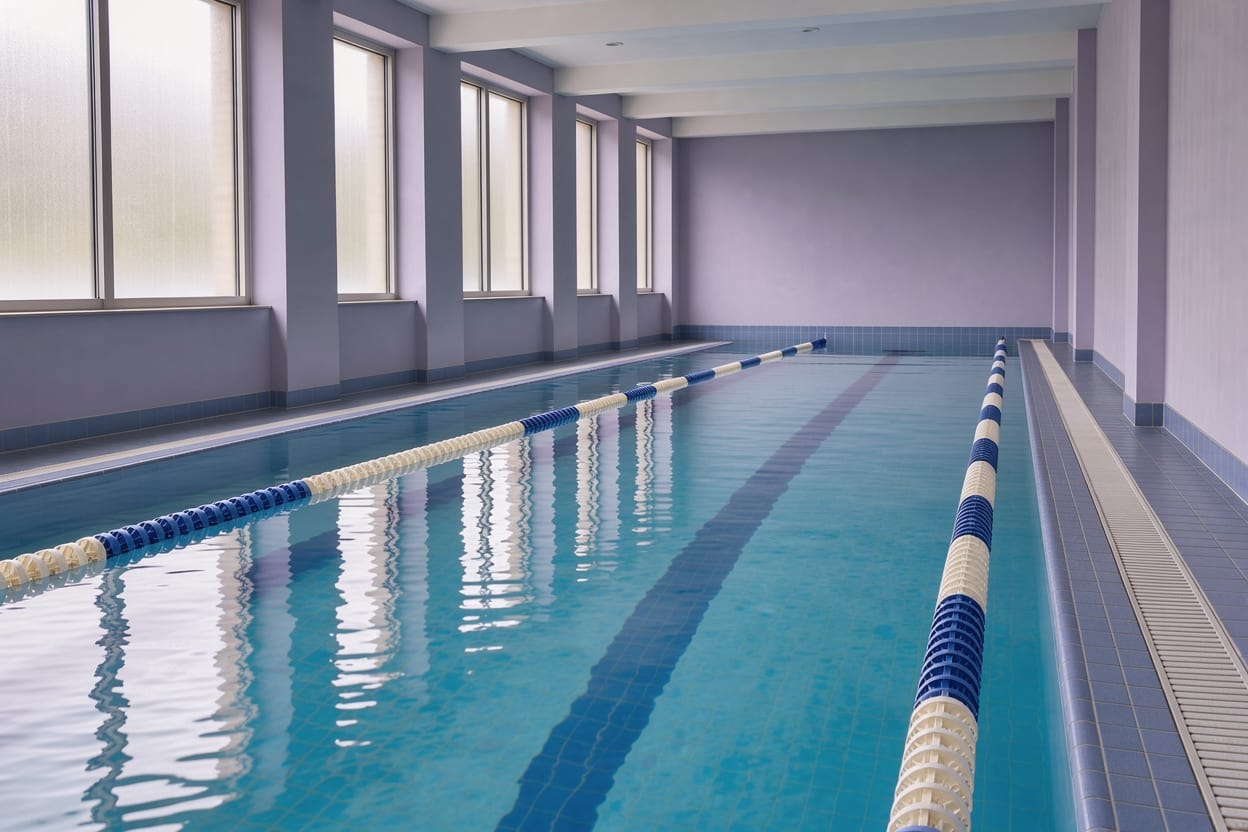
Why water is used
Buoyancy is the upward support water provides to an immersed body. The aquatic-therapy description explains that it permits flotation and reduces the effects of gravity. Water also provides resistance to movement. These physical properties are part of the rationale for using water in rehabilitation; they are not proof of a particular result after childhood stroke. Properties of water described in aquatic therapy.
The same description includes activities while floating or partly or fully immersed. Some approaches involve a person moving actively; others involve movement supported by a therapist. A heated, controlled pool is the usual setting described. The term therefore covers a range of activities, rather than a single treatment with a single expected effect. The range of water-based approaches.
The source also describes water pressure and temperature as features of this environment. Those features help explain why the setting differs from land. This guide does not turn them into claims about improving circulation or changing the brain. The research question remains what was measured in a defined group receiving a defined intervention. The aquatic environment.
What the reviews measured
The cited cerebral-palsy reviews focus on gross motor function, meaning larger body movements rather than small hand tasks. Their questions concern movement measurements in children with cerebral palsy. They are not studies of every possible difficulty after a childhood stroke, and their results cannot predict the experience of a particular child. Systematic review of aquatic interventions and review comparing aquatic and land-based exercise.
A systematic review brings together research selected to address a question using stated methods. In the aquatic reviews, the researchers examined study design as well as reported movement outcomes. That matters because a change observed during a program is a different finding from a reliable difference compared with another program. Review methods and results.
What the findings support
The earlier review reported mixed results in the randomized comparisons and limited evidence for children with cerebral palsy who could walk. Its conclusion called for further research to establish effectiveness. This is a finding about uncertainty in the research, not a conclusion that aquatic therapy will or will not help a particular child. Review conclusions.
The comparison of aquatic and land-based exercise found low-quality evidence. A subgroup involving aquatic physical therapy showed a small difference in gross motor function, while the Halliwick and swimming-exercise subgroups showed no significant difference. The overall interpretation described aquatic and land-based exercise as comparable, with uncertainty arising from study limitations and inconsistent results. Aquatic versus land-based review.
The review reported that many studies were small and at high risk of bias. Bias means a feature of research that can distort the result. A positive result and low confidence in that result can therefore appear together. Reporting both is more faithful to the evidence than describing water-based therapy as proven superior. Study quality and interpretation.
A therapy pool is still a water setting
The general aquatic-therapy description says a qualified therapist typically provides continuous attendance. Separately, KidsHealth’s water-safety information treats pools, bathrooms and outdoor water as safety subjects. Neither source makes the name of a therapy a substitute for an individual safety plan. This page contains no swimming instructions or independent pool exercises. Therapist attendance and KidsHealth water-safety overview.
For families discussing seizures, the seizure first-aid page explains the source-described safety and action-plan topics. The physical therapy page describes movement goals more broadly. The rehabilitation guide places individual approaches within the wider care team.
Putting a research finding in context
The reviews distinguish the participants, the water activities, the comparison and the outcome. Each part limits the conclusion. A result in children with cerebral palsy cannot simply become a statement about all children after stroke. Nor can a general description of buoyancy establish how a child will move outside the pool. Scope of the comparison review and scope of the aquatic-intervention review.
Questions about the goal, the relevant evidence and the way change would be assessed keep these distinctions visible. They leave suitability and safety with the people who know the child. The available reviews provide a starting point for understanding the research, rather than a schedule, exercise prescription or recommendation. The review’s stated limits.